5 Questions for Gyetrul Jigme Rinpoche
— Spiritual Leader of the Ripa International Center —
November 2026
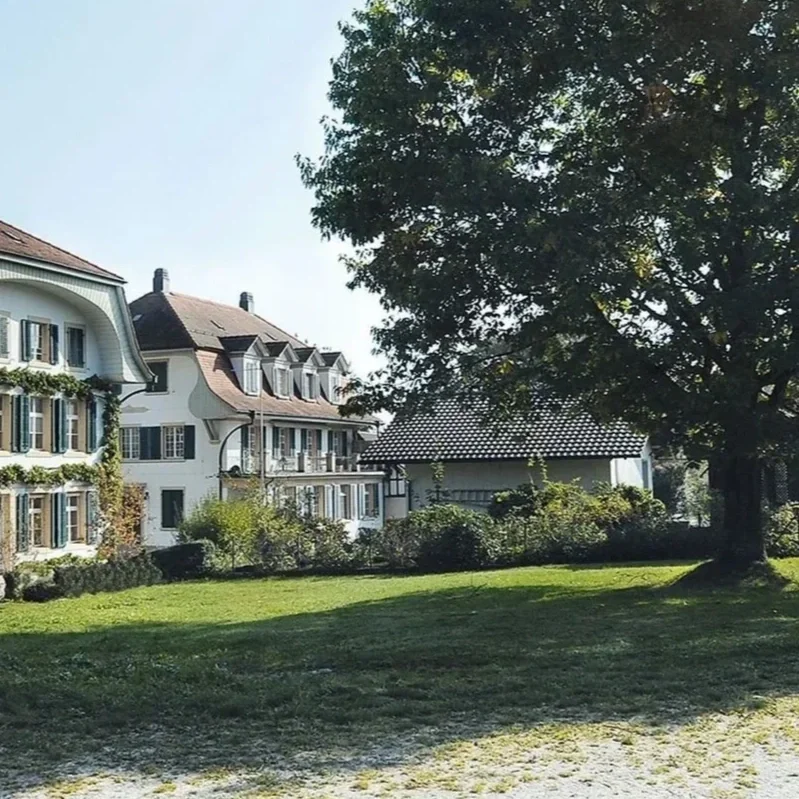
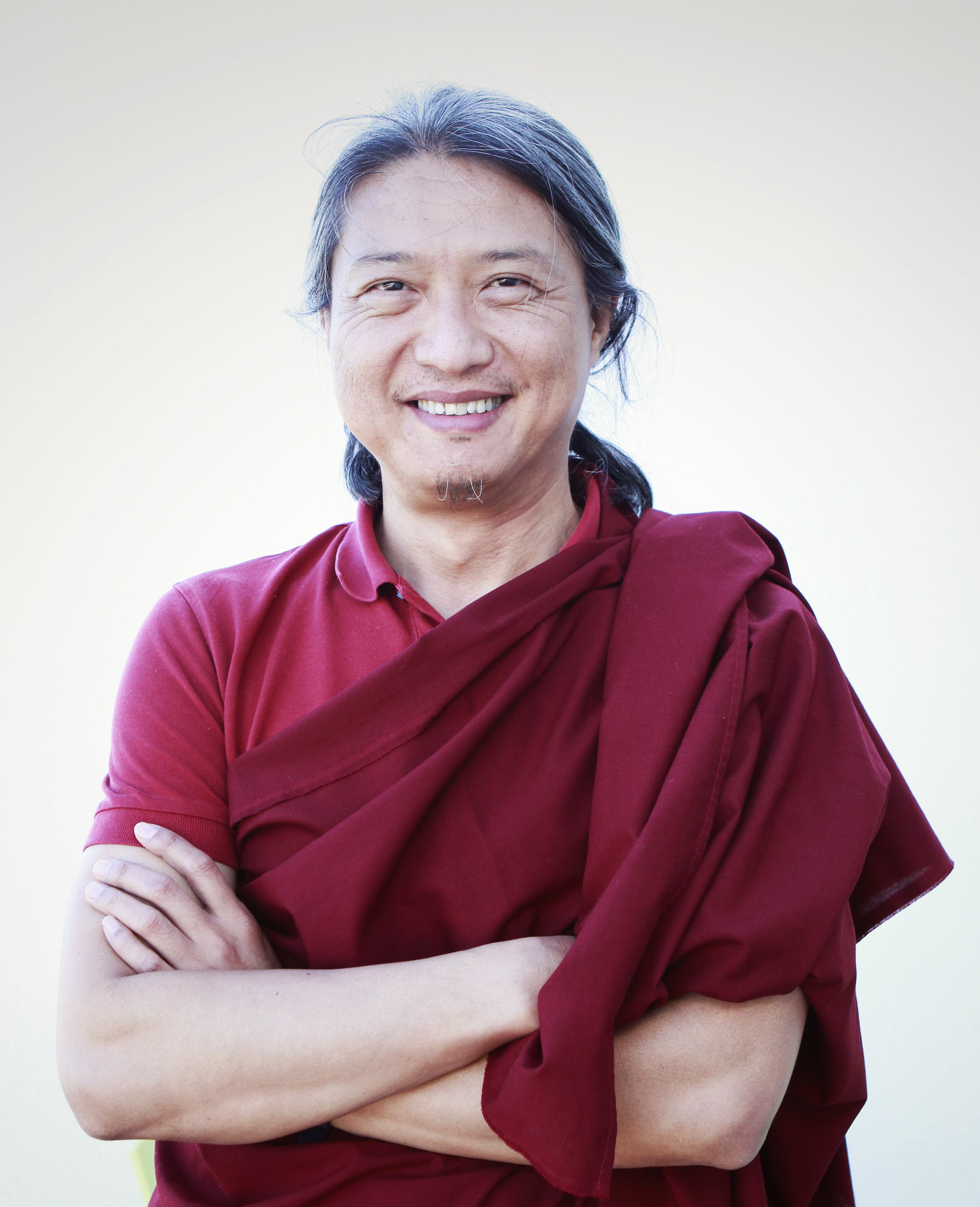
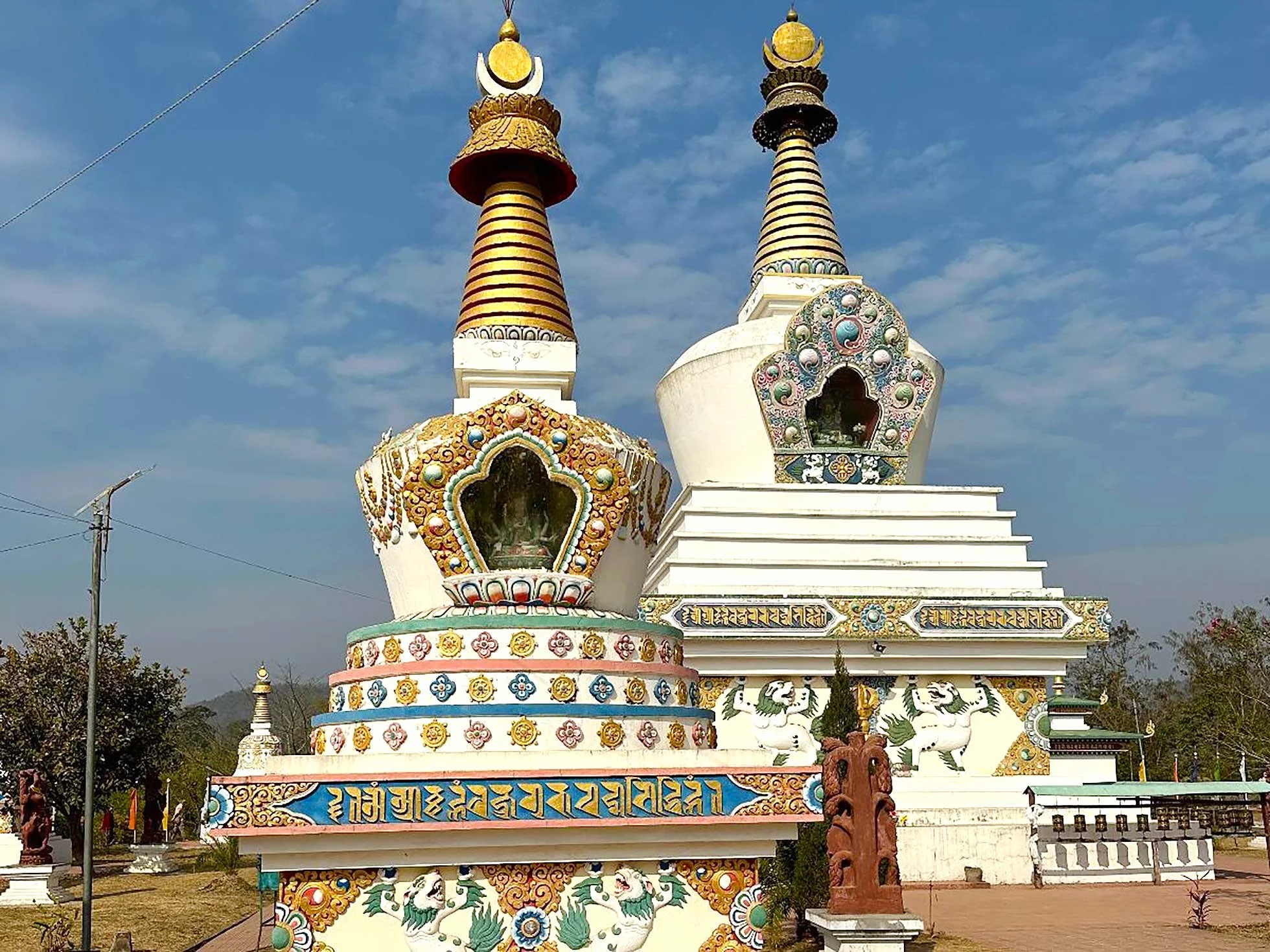
Gyetrul Jigme Rinpoche is the spiritual leader of the Ripa International Center, whose home is Landguet Ried. In conversation, he speaks about what moved him to build a stupa dedicated to world peace, what it takes for such a place to become alive – and how anyone, with or without a Buddhist background, can approach it.
"What personally moved you to initiate the building of a stupa at Landguet Ried / Ripa International Center – and what does this project mean to you personally?"
More than thirty years ago, during my first visits to Switzerland, my family took me to Säntis, where I unexpectedly encountered a stupa nestled among the beautiful, snow-covered mountains. I was deeply moved by the sight. It seemed to bring an added dimension of sacredness to the landscape, giving me a profound sense of warmth, belonging, and welcome. Little did I know that many years later we would have the opportunity to fulfil a similar aspiration here at the Ripa International Center / Landguet Ried. Looking back, I cannot help but feel that there is a deeper connection. I believe that things do not happen without reason.
When we established the center nearly fifteen years ago, we began transforming a place that held some painful memories into a living environment dedicated to the well-being of body, mind, and spirit—a place filled with joy, laughter, kindness, and compassion. Today, it is a place where people can experience the essence of Buddhist teachings and cultivate nonviolence, wisdom, and compassion in their everyday lives.
For me, building a stupa here is a natural continuation of this transformation. It gives a visible and enduring expression to the values that have shaped this place and that we aspire to share with the wider world. The stupa is much more than a physical structure; it is a sacred symbol of awakening and enlightenment, representing the highest potential of humanity.
Personally, I see this project as an opportunity to contribute something meaningful and lasting—not only for our community, but for humanity as a whole. It is an aspiration to create a source of peace, blessings, and inner awakening that will benefit generations to come.
“It is an aspiration to create a source of peace, blessings, and inner awakening that will benefit generations to come.”
«The stupa is dedicated to World Peace. How can the stupa, the Ripa International Center and the Ripa Lineage contribute to this ambitious goal?»
Today, we face enormous challenges as humanity. We are witnessing an increasing sense of disconnection and a gradual erosion of the values of trust, kindness, and compassion. At a time when negativity, emotional turmoil, and aggression seem to prevail, I believe it is more meaningful than ever to establish a stupa that stands as a powerful symbol of nonviolence and peace.
The stupa embodies the universal principles of peace, wisdom, and compassion. For Buddhists, it represents the wisdom mind of the Buddha—the awakened state that we all aspire to realise. At the same time, its message extends far beyond the Buddhist community. It represents a universal aspiration for nonviolence, respect, hope, and harmony among all people.
The Ripa International Center and the Ripa Lineage can contribute to this aspiration by making these principles a living experience. Through the Buddhist teachings, meditation, and the cultivation of awareness and compassion, we can help people develop greater inner stability and a deeper understanding of our interdependence.
Ultimately, peace in the world must begin with peace within ourselves. The stupa can serve as a catalyst for this inner awakening, reminding us that the transformation we wish to see in the world begins within each of us. When we cultivate wisdom and compassion individually and collectively, we can create a positive and lasting impact on our communities and the wider world.
“Peace in the world must begin with peace within ourselves.”
I also see this project as an opportunity for collective aspiration. When people come together with a shared intention for universal peace, something meaningful can emerge that goes beyond the efforts of any one individual. Let this stupa represent the collective heart of our Sangha and all those who share the aspiration to create a more peaceful world.
«What does it take – on both a spiritual and a practical level – for a building project to become a living, sacred place that shapes this site and the people who come here for the long term?»
For a building project to become a truly sacred place, it requires much more than the construction of a physical structure. It requires a clear and sincere aspiration, a collective commitment, and an understanding of the deeper meaning the structure represents.
On a spiritual level, the stupa must embody the qualities it seeks to inspire: nonviolence, wisdom, compassion, and the aspiration for enlightenment. Its significance grows through the intentions, prayers, and positive aspirations of those who contribute to its creation and those who come into contact with it. In the Buddhist tradition, building a stupa is considered an act of great merit because it represents the Buddha and his teachings and offers a lasting source of inspiration for others.
On a practical level, such a project requires the dedication, generosity, cooperation, and participation of many people. It is an enormous opportunity for everyone to contribute to something that reaches beyond individual interests and becomes an expression of our collective commitment to peace.
We have already experienced how a place can be transformed through its purpose and the values it embodies. The Landguet Ried and the Ripa International Center have evolved into a living environment dedicated to the well-being of body, mind, and spirit. The stupa would be a natural continuation of this journey, giving a visible and enduring expression to the spirit of the center.
What makes the stupa truly alive is not simply its physical presence, but the meaning it carries and the inner qualities it awakens. Its influence can endure for generations, offering courage, inspiration, and trust to those who encounter it in the future. As long as humanity exists, may the stupa continue to bless the world.
«For people without a Buddhist background: how can one approach a stupa without knowing its religious meaning? What can simply be felt or experienced?»
One does not need to have a Buddhist background to experience the meaning of a stupa. Although it has a profound significance within Buddhism, it also embodies universal human values that can be appreciated by everyone: peace, kindness, wisdom, compassion, and respect for all life.
Anyone who visits the stupa, or simply comes into contact with it, may be touched by its presence in a meaningful way. Its profound symbolism has the potential to awaken our inner silence, deepen our awareness, and reconnect us with our fundamental sense of humanity. People may leave feeling protected, blessed, and inwardly renewed, with a restored sense of trust and a stronger belief in the goodness of humanity and the transformative power of wisdom and compassion.
There is no particular knowledge one must possess or any specific belief one must hold. One can simply approach the stupa with an open mind, take a moment of silence, and allow oneself to experience the surroundings. Perhaps one will feel a sense of peace, perhaps a moment of clarity, or perhaps simply a deeper connection with oneself and the world.
“The outer symbol has the power to awaken our inner qualities.”
When we encounter a sacred object of such profound meaning, something within us can be stirred and awakened. The true significance of the stupa lies not only in its physical presence, but also in the inner experience it inspires.
In this way, the stupa becomes much more than a Buddhist monument. It becomes a gentle yet powerful reminder of the wisdom, compassion, and humanity that reside within us all.
«A stupa is a symbol many centuries old. What does it mean to you in today's Western life – and how can this ancient wisdom be translated into our modern time?»
I believe the stupa is especially meaningful in today's world. We are living at a time when technological progress and material development have advanced enormously, yet many people experience disconnection, uncertainty, and a loss of trust in one another. The values of kindness, compassion, and mutual respect are more important than ever.
The stupa is an ancient symbol, but its meaning remains timeless. In the Buddhist tradition, it represents the wisdom mind of the Buddha and the highest potential of human awakening. It reminds us that wisdom and compassion are not merely ideals to admire, but qualities we can cultivate and embody in our own lives.
For me, the stupa offers a bridge between ancient wisdom and modern life. Its message is relevant regardless of our cultural background, beliefs, or circumstances. It reminds us to cultivate inner silence and awareness, to act with kindness, to respect our interdependence, and to recognise our shared responsibility for the well-being of humanity.
Although the physical structure must withstand the test of time, the meaning it represents does not change. Future generations who visit the stupa may find courage, inspiration, and renewed trust in the possibility of serving humanity through wisdom and compassion.
I hope that the stupa at Landguet Ried / Ripa International Center will become a lasting symbol of these values—a place that radiates peace and positive energy far beyond its physical boundaries. May it inspire people to rediscover their inner goodness and to bring greater compassion into their relationships, their communities, and the world.
In the end, the stupa reminds us that peace is not simply an aspiration for the future; it is something we can begin cultivating here and now, within ourselves and through the way we live with others.
“Peace is not simply an aspiration for the future; it is something we can begin cultivating here and now.”
May this stupa stand as a lasting symbol of universal peace, a source of blessings for all beings, and a reminder that the wisdom and compassion we seek in the world must first be awakened within ourselves.
Interview: Stefanie Weilenmann
The stupa at Landguet Ried / Ripa International Center is dedicated to world peace – a visible expression of the values that have shaped this place.
Would you like to learn more about the stupa project? Here you will find all the details >>>

Gyetrul Jigme Rinpoche is a traditional teacher of Tibetan Buddhist meditation and philosophy in the Kagyu and Nyingma lineages. He is a holder of the Ripa lineage, head of the Ripa monasteries in India and Nepal, and spiritual director of the Ripa International Center in Landguet Ried.
Since 1996, he has taught regularly in Asia, Europe, and the United States. With his lively, humorous, and down-to-earth manner, he helps people integrate traditional spiritual values into modern life.