
5 Questions for Fred von Allmen
— Teacher of Vipassana and Metta Meditation —
July 2026
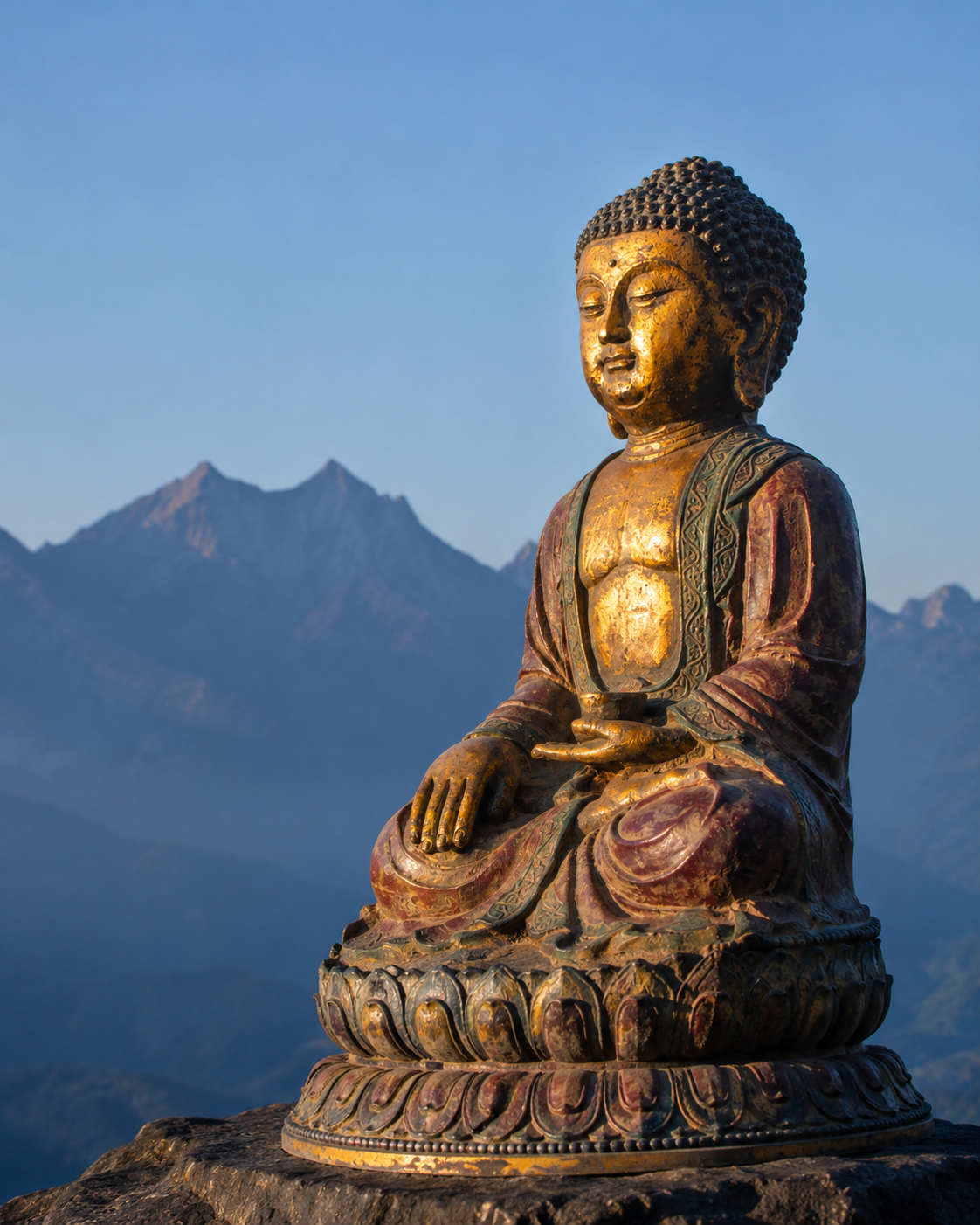
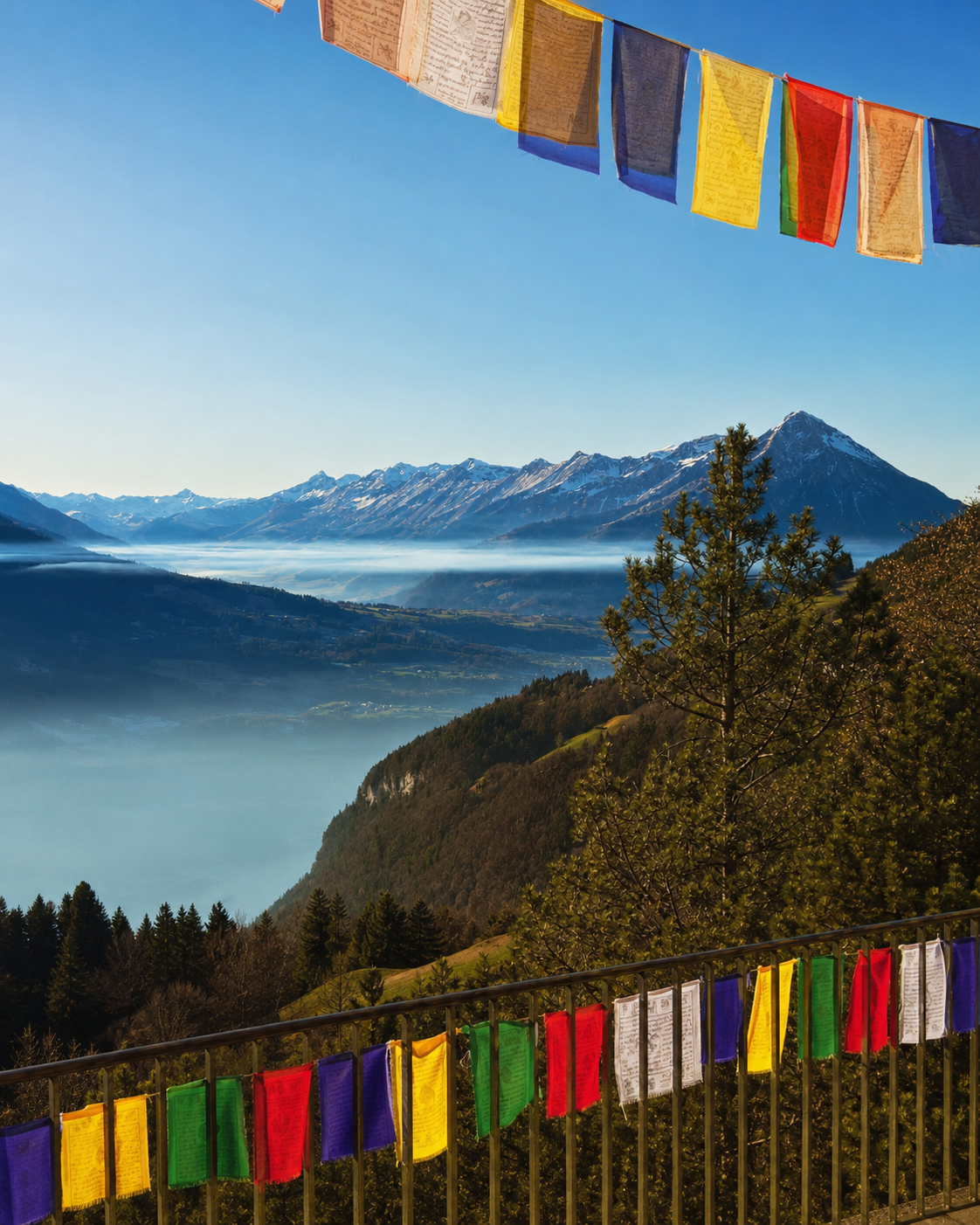
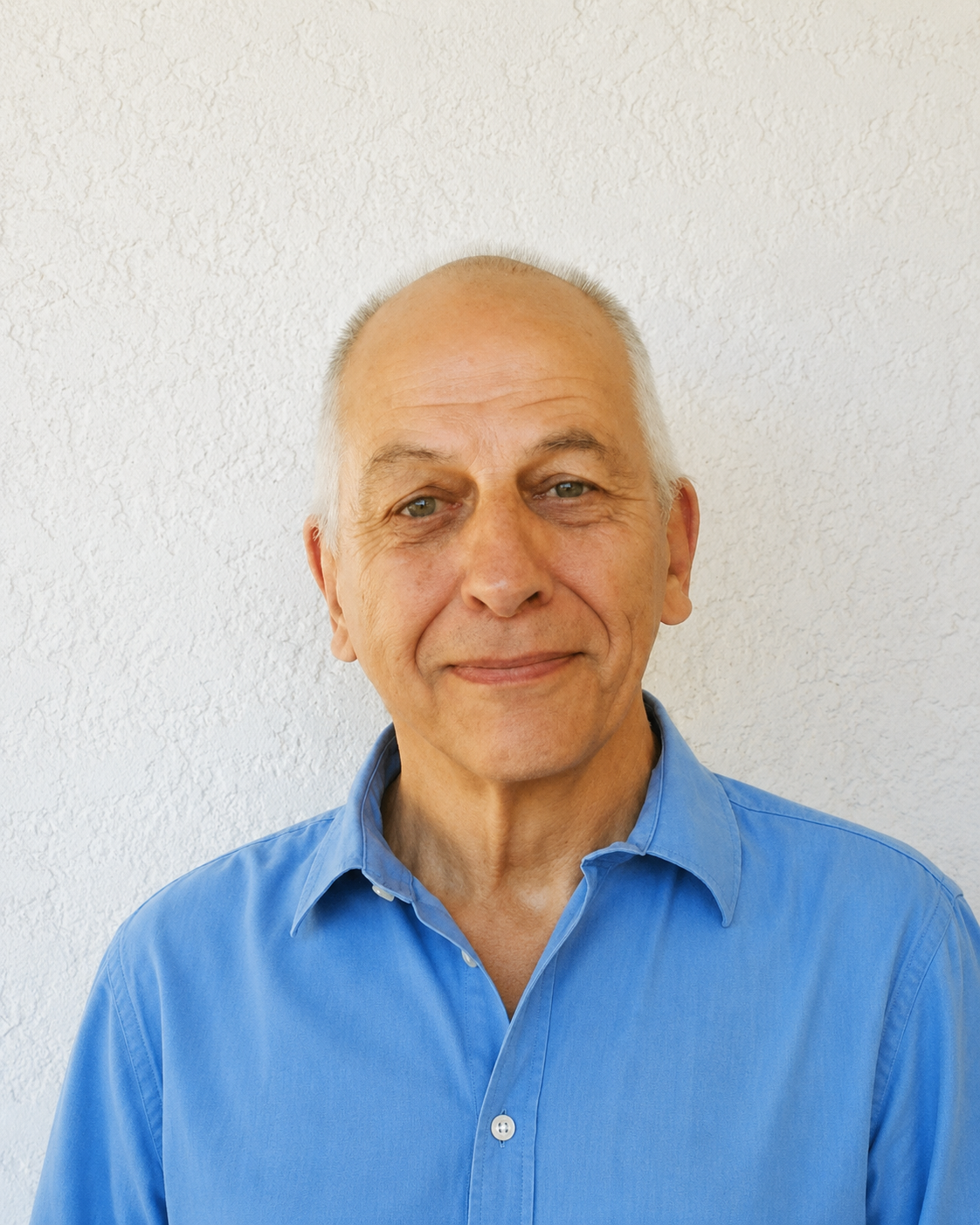
Fred von Allmen has been practising and teaching the Buddhist path of inner liberation for over fifty years. He speaks about how the world and expectations around meditation have changed, why compassion for oneself is often the most difficult step – and what it means to consciously reduce one's own sphere of activity.
"You have been practising and teaching the Buddhist path for over fifty years. What has changed in that time – in the world, in the people who come to you, and in yourself"
The world has become harsher and has moved far from the – in retrospect naively optimistic – idea of the past fifty years that it would steadily develop towards something better and more peaceful.
While some people today have a better sense of what they are getting into at retreats, the "mindfulness boom" has established expectations that understand mindfulness and meditation – in contrast to Buddhist practice – primarily as tools for stress reduction, inner calm, or pleasant experiences. As a result, participants sometimes find themselves surprised by a timetable designed for continuous and deepened practice.
Over all these years, I have consistently taught the Buddhist path of inner liberation. In doing so, my life has become quieter and more meaningful inwardly – and outwardly, I hope, increasingly helpful to others and to the world around me.
"Vipassana and Metta – insight and loving kindness. The two forms of practice seem very different at first glance. How do they complement each other in your practice and in the retreat?"
Vipassana means coming to understand the functioning of mind and heart ever more clearly, and seeing through the nature of "experience as such" – a process that leads to growing inner freedom. Metta meditation aims to make the heart and mind more flexible, open, loving and compassionate, and to reduce self-centredness.
Vipassana and Metta complement each other ideally: when a clearly perceiving mind is united with openness and kindness, an attitude arises that is more inviting, wiser and increasingly more deeply connected with life – a development that can fundamentally change our lives.
A clearly perceiving mind, united with openness and kindness – this can fundamentally change our lives.
"So metta meditation (usually) begins with metta for oneself (or kindness or loving-kindness towards oneself) – which many people find surprisingly difficult. What have you observed in your retreats, and what helps?"
Metta, the meditation of "loving kindness", cultivates an unconditional openness towards others and all life – including ourselves. Traditionally, the practice begins with oneself. The circle is then gradually extended: first to people towards whom our care comes easily, and further to those we experience as difficult or even hateful. A prerequisite is a certain degree of collected attention and concentration, which must first be practised.
It is true that some people find it difficult to meet themselves with loving care. One possible cause lies in cultural conditioning, such as an underlying residual Christian notion of being fundamentally not enough or "not alright" and needing redemption from outside.
A helpful approach is to begin with a so-called "benefactor" – a person towards whom Metta comes easily. In this way, the quality of loving kindness can be discovered and strengthened in one's own heart, so that after some practice it can also be applied to oneself.
There is no quick fix here – authentic Metta requires continuous practice over years.
The development of authentic Metta requires continuous practice over weeks and years – there is no quick fix. Most effective is the combination with insight practice. We learn to meet the momentary experiences that arise in Vipassana meditation with accepting, loving equanimity rather than resistance and inner conflict. Through sustained practice, a deep inner freedom can unfold.
"You taught for decades around the world – in Asia, America, Europe. Since 2020, only in Switzerland. What does this slowing down mean for you personally and for your practice?"
After fifteen years of intensive study and practice in India, Switzerland and the USA, and after receiving authorisation from my teachers, my energy and interest in teaching was very great. I was able to accept invitations to retreats from all over the world and to lead them – mostly together with colleagues.
With increasing age, diminishing energy and a natural slowing down, it has become part of my path to reduce my sphere of activity and to direct available energy towards what is genuinely needed and possible. At the same time, it is genuinely pleasant to be able to take life a little more quietly.
Reducing my sphere of activity is itself a practice in letting go – all the way to the final letting go.
Not least, this process is itself a practice in letting go – all the way to the final letting go.
"What would you say to someone coming to a multi-day silent retreat for the first time – with reservations about what awaits them in the silence?"
Silence and stillness are often mistakenly equated. In our retreats, silence is a condition of participation; it enables a deeper immersion into the otherwise usually very busy mind. External quiet can be supportive, but is not strictly necessary. In Asia, where this tradition of practice has its roots, the surroundings of retreat centres are often loud and busy. Hardly anyone there is bothered by this. Awareness of hearing is as much a part of the practice as mindfulness of the body, feelings and emotions, with a welcoming attitude of equanimity being cultivated.
The initial reservations of many participants before their first retreat often dissolve after a short time. Our retreats are led by experienced teachers and accompanied by a supportive team. Together with the sustaining presence of the group, most people manage to work productively with both challenges and positive experiences. An exception is people with serious current psychological problems: they are generally advised not to participate.
Interview: Stefanie Weilenmann
Fred leads the Metta Meditation Retreat from 14 to 18 October 2026 at Landguet Ried, together with Irene Bumbacher. At the heart of the retreat is the cultivation of compassion and loving kindness – combined with the clarity of Vipassana practice. A rare opportunity to immerse oneself in a profound practice with one of the most experienced teachers in the German-speaking world.
Would you like to experience this practice not just in reading, but in person? Find all details about the Metta Retreat here >>>
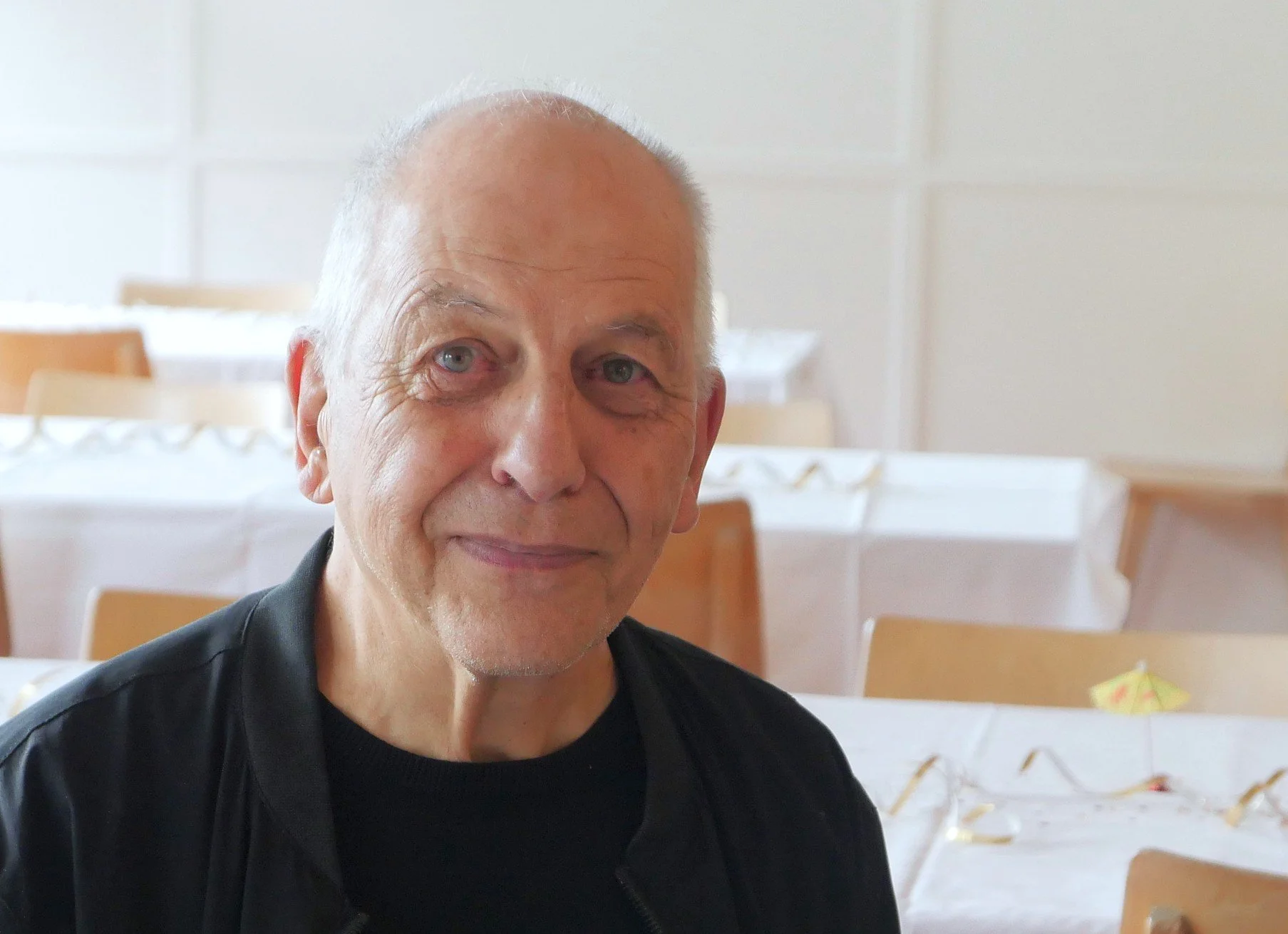
Fred von Allmen has been studying and practising the Buddhist path of awakening for over fifty years, under teachers of the Tibetan Dzogchen and Gelug traditions as well as the Theravada Vipassana tradition. Since 1984 he has taught worldwide – since 2020, due to his age, only in Switzerland – a path towards the liberating understanding of heart and mind. He is the author of Grundlagen des Buddhismus, Mit Buddhas Augen sehen and Buddhas tausend Gesichter, and co-author of Mahamudra & Vipassana. He is co-founder and teacher of the Beatenberg Meditation Centre and served on its foundation board for 24 years.