Zen Today: Clarity, Experience and a Quiet Path in the Midst of Life
— A text by Peter Widmer —
May 2026
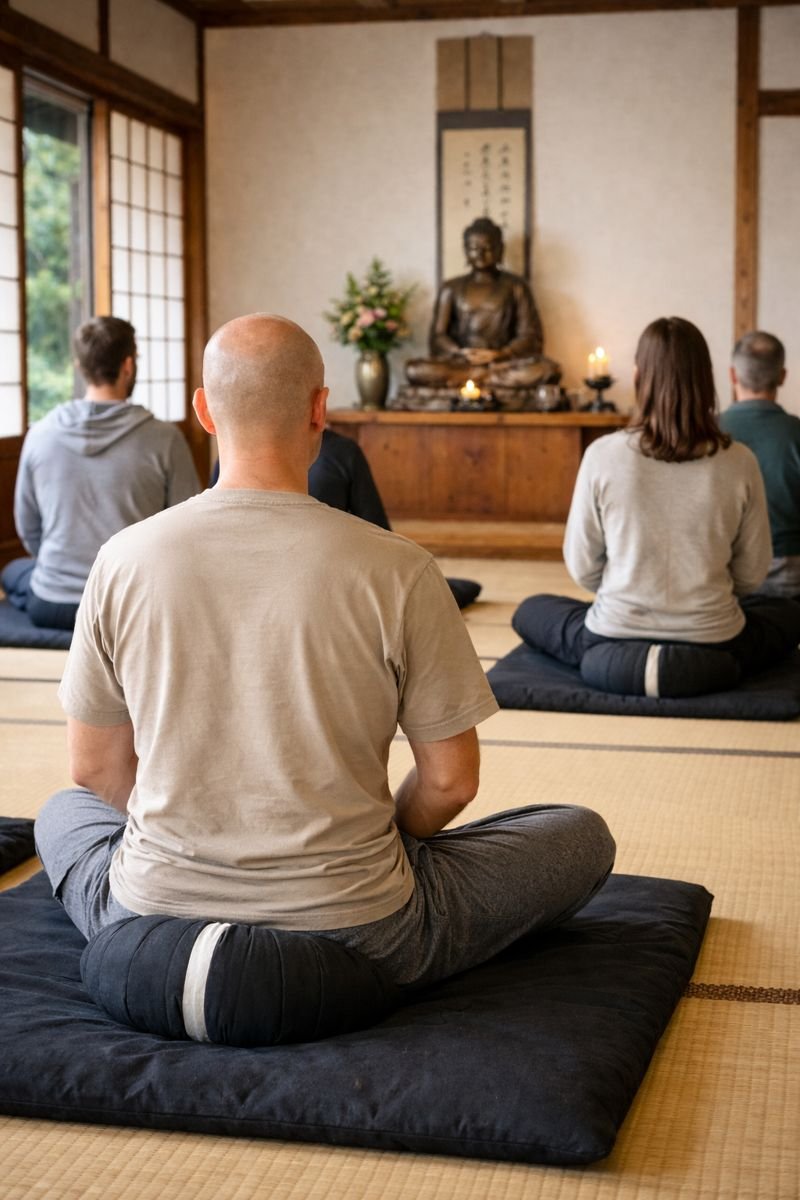
Zen has held a special fascination for centuries – and yet, for many, it is difficult to grasp at first. This text invites you to rediscover Zen: not as a concept, but as a living practice. In the midst of everyday life. In the midst of life itself.
Is Zen meditation? Philosophy? Religion? Or simply sitting quietly on a cushion?
Perhaps its appeal lies precisely in the fact that Zen defies such categorisation. It promises something that many people are seeking today: a direct experience of reality – beyond concepts, roles and inner noise. And yet, rather than leading us away from life, it leads us deeper into it.
What is Zen at its core?
At its core, Zen is a practice of direct experience. Whilst many spiritual paths rely on concepts, explanations or worldviews, Zen invites us to set all that aside for a moment. Instead of seeking answers, attention is directed towards what is happening right now – in the body, in the breath, in the mind.
Zen therefore does not mean believing something. It means experiencing something.
This experience is often surprisingly simple: sitting, breathing, being aware. And yet, at the same time, it can be profoundly challenging. For in the stillness, we encounter not only clarity, but also restlessness, thoughts, resistance – all that which is often obscured in everyday life. Zen is not a quick path to relaxation, but rather a path of honesty. A path that invites us to see ourselves and life as they truly are.
Zen and Nondualism – two paths, one depth?
The Landguet blog has previously covered nondualism and the Big Mind approach. Indeed, there are points of convergence here: both Zen and nondual teachings suggest that the separation between the ‘self’ and the ‘world’ is not as fixed as we usually assume.
The difference often lies in the approach. Nondualistic approaches frequently work directly with insight – they show that the ‘I’ as a separate entity cannot really be found. Zen, on the other hand, is traditionally a path of practice. Insight arises not primarily through intellectual understanding, but through repeated practice: through sitting, through mindfulness in daily life, through penetrating koans – those paradoxical questions designed to break through our habitual frameworks of thought.
One might put it this way: Nondualism points directly to the open door. Zen invites us to walk the path there step by step – and in doing so to discover for ourselves that the door was perhaps never really closed. Both paths can complement and enrich one another.
The distinctive quality of the Zen path
What makes Zen special is its simplicity – and its consistency. Zen largely dispenses with embellishments: no complex visualisations, no lengthy theoretical explanations. Instead, the focus is on practice. This simplicity holds great power – it leaves little room for evasion.
In Zen, we encounter ourselves directly – not as an idea, but as a living experience. Over time, this often gives rise to a quiet clarity, a certain serenity and the ability to endure even difficult situations without having to react immediately. Another aspect is its embedding within a living tradition: Zen has been passed down from teacher to student for centuries – a relationship that can help us recognise blind spots and deepen our own practice.
In the stillness, we encounter not only clarity, but also everything that is often obscured in everyday life.
What forms are there – and which one is right for me?
Not all Zen is the same. There are various formats that differ in intensity, duration and accessibility:
Introductory courses are aimed at people with little or no experience. They offer an initial introduction, help participants get to grips with the sitting posture and provide space for questions – they are accessible and relevant to everyday life.
Regular practice groups provide a stable framework: sitting together, walking meditation, brief reflections. Many find that it is easier to stick with it when practising together.
Retreats – also known as ‘sesshin’ in Zen – are more intensive periods of practice lasting several days. They can be challenging, but they allow for a deeper immersion that is rarely possible in everyday life.
Koan work and in-depth formats are aimed at people who have been practising for some time. Questions such as ‘What does the clapping of one hand sound like?’ aim to break through habitual patterns of thought and facilitate direct insight.
Which format is right for you? This can often only be discovered by trying it out. Zen is a path of experience – you realise relatively quickly whether something feels right. What matters less is prior experience than a certain openness and a willingness to engage.
Zen requires no special prerequisites – just a willingness to engage.
Modern Zen – without the stick and strict discipline?
People often have a certain image of Zen: strict discipline, sitting motionless, the famous kyosaku. Modern Zen seeks to preserve the essence of the practice whilst adapting its form to the realities of contemporary life – with more accessible language, more flexible postures and a stronger connection to everyday life. The aim is not to make Zen ‘more comfortable’, but more relevant: how can this ancient practice remain alive today – amidst working life, in relationships, in a complex world?
It is also interesting that Zen today often no longer stands in isolation. It enters into dialogue with other approaches – with non-dual teachings, with Western psychology, with the Big Mind process or work with personality aspects. This exchange can be enriching – as long as the spiritual depth is not lost in the process.
A path that begins in everyday life
Perhaps the most important thing about Zen is that it begins right here. Not in a monastery, not on a retreat – but in the present moment. In breathing, in walking, in listening.
Zen invites us to take the ordinary seriously. Not as something to be overcome, but as a place of practice. Over time, this can bring about a shift: greater presence in everyday life, a more composed approach to challenges, a deeper sense of connectedness. Without grand promises. Without spectacular experiences. Simply step by step.
Zen is not a path for ‘special’ people. It is a path for anyone who is willing to be still and look closely.
Zen does not lead away from life – but deeper into it.
A text by Peter Widmer, in collaboration with Stefanie Weilenmann
At Landguet Ried, Peter Widmer leads a range of programmes offering various entry points into Zen practice: those with no prior experience will find a carefully guided introduction in the Zen Introductory Course from 27 to 29 November 2026 – covering everything from sitting posture and initial meditation experiences to the rituals that express the spirit of Zen. The course takes place largely in silence and is open to people of all ages.
Those already familiar with Zen practice can delve deeper during the Rohatsu Sesshin from 30 October to 6 November 2026 – an intensive meditation retreat lasting several days, reminiscent of the legendary enlightenment of the historical Buddha under the Bodhi tree. Sesshin literally means ‘to be in contact with the heart-mind’ – and that is precisely what it is all about: from the outside in, from doing to being, from knowing to realising.
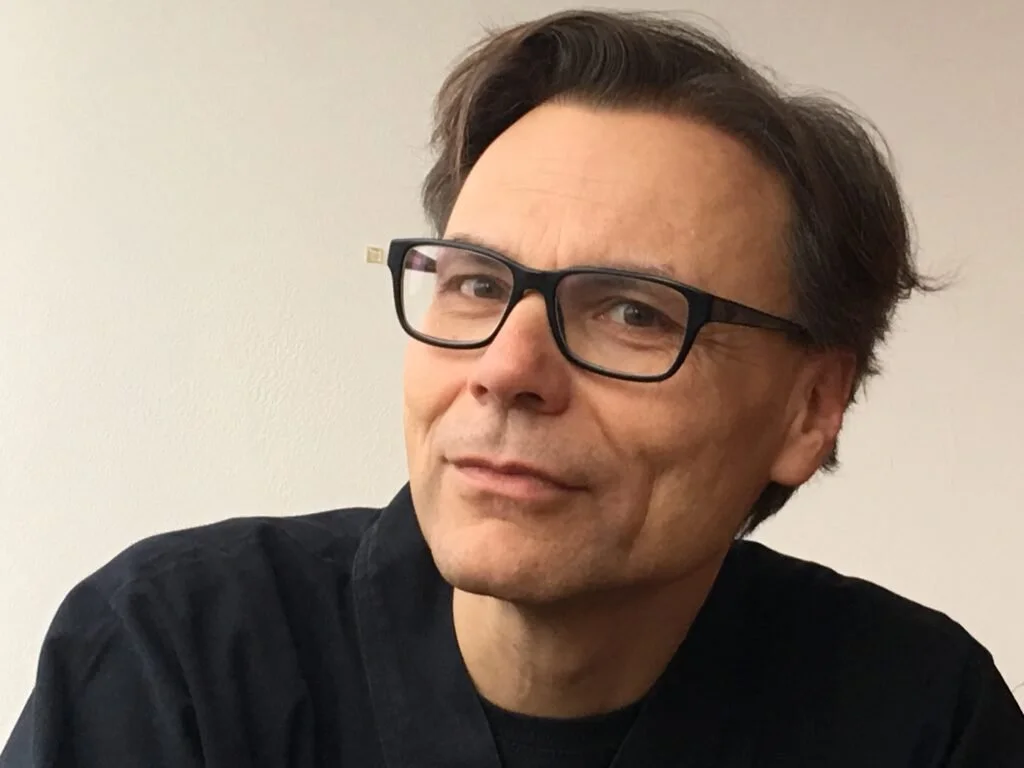
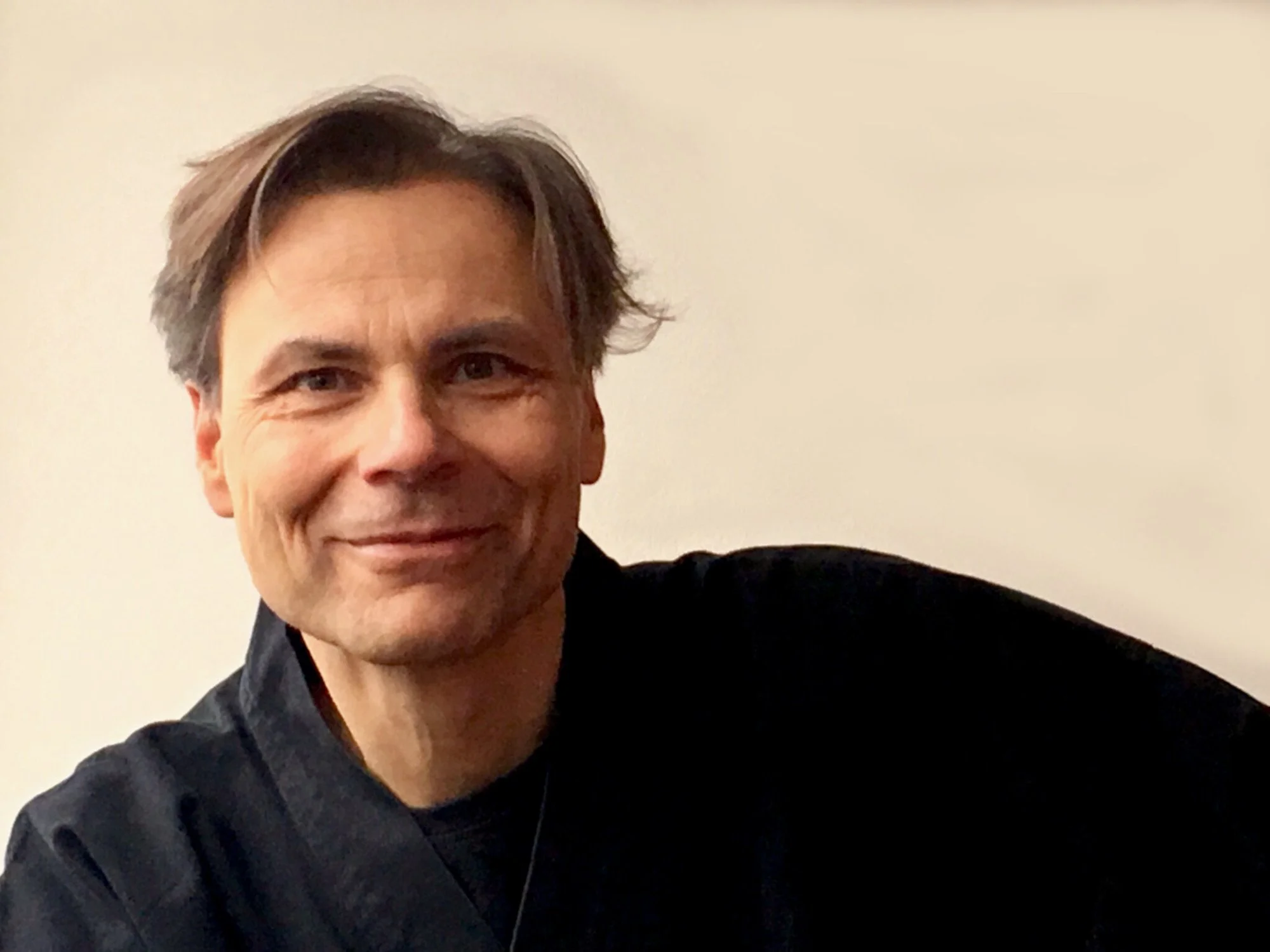
Peter Widmer, Ki Gen Sensei, is a Zen teacher, philosopher (PhD), author and coach. He has been practising Zen since 1982 and has been leading courses as a Sensei in the Glassman-Lassalle Zen lineage since 2004. He is the founder of Zen Integral and Mindful Self-Development and was a long-standing Zen teacher and seminar leader at the Lassalle House in Edlibach.
His work combines Zen with metta meditation, sub-personality work and developmental psychology. This combination has given rise, among other things, to the Inner Peace Conference – a unique form of working with inner aspects. His central focus can be summarised in five attitudes: awakening, maturing, clearing the shadow, opening the heart and living one’s own uniqueness. These attitudes run like a thread through all his work – whether in sitting meditation, in conversation or in dialogue with the world.